Revise all DVSA Show Me Tell Me questions for the UK driving test. Clear explanations plus a free printable PDF to help you pass with confidence.
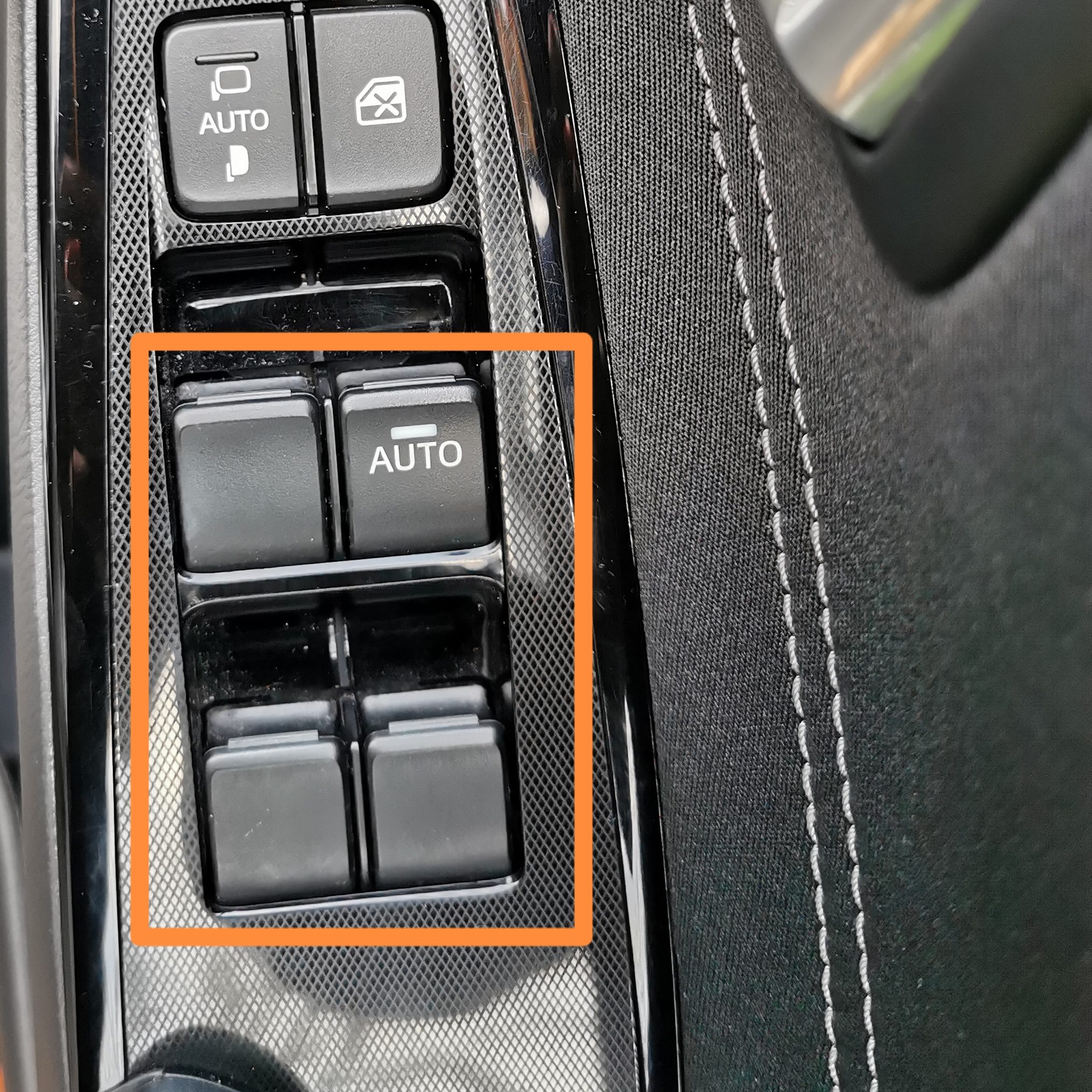
Note: Photos on this page are specific to the car (Mazda2 skyactive year 2018). ‘Your car/instructor’s car’ might have different controls
You can view the Official DVSA guide here | View Driving Lessons | View Instructor Training
You can also download a PDF copy :
Show Me Tell Me Questions
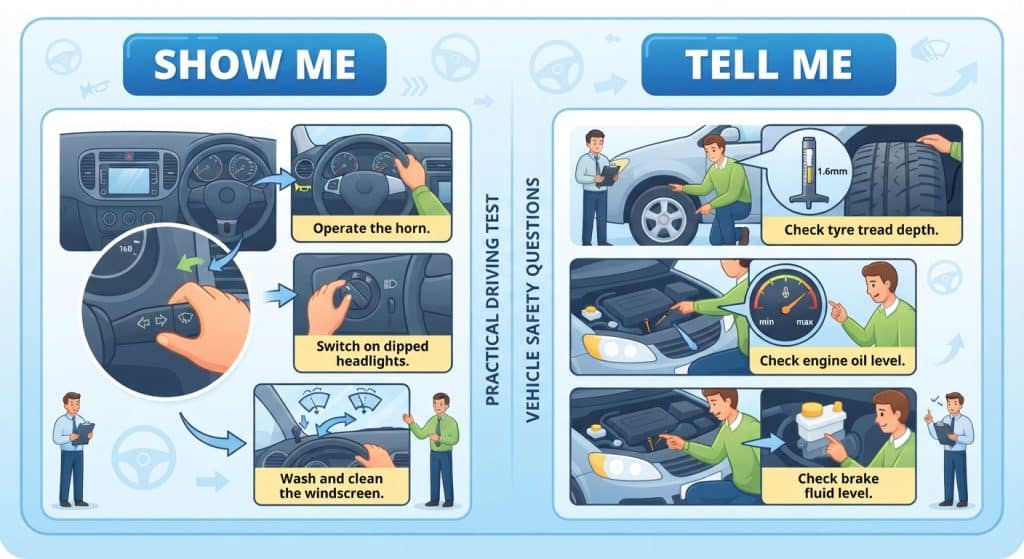
You’ll be asked 2 vehicle safety questions during your car driving test. The examiner will ask you one:
- ‘Tell me’ question (where you explain how you’d carry out a safety task) at the start of your test, before you start driving
- ‘Show me’ question (where you show how you’d carry out a safety task) while you’re driving
You’ll get one driving fault (sometimes called a ‘minor’) if you get one or both questions wrong. You’ll fail your driving test if your driving is dangerous or potentially dangerous while you answer the ‘show me’ question.
‘Tell me’ questions
Question 1
- Tell me how you’d check that the brakes are working before starting a journey?
A: Brakes should not feel spongy or slack. When tested as you set off, the vehicle should not pull to one side.
Explanation:
If the brakes feel spongy (soft) or slack(too much free movement before operation), it could mean there’s air in the system or a fault, which reduces braking efficiency. If the car pulls to one side when braking, it may suggest uneven braking force, a caliper issue, or a tyre issue.
Question 2
- Tell me where you’d find the information for the recommended tyre pressures for this car, and how tyre pressures should be checked?
A: Manufacturer’s guide, use a reliable pressure gauge, check and adjust pressures when tyres are cold, don’t forget spare tyre, remember to refit valve caps.
Explanation
The recommended tyre pressures are found in the manufacturer’s handbook. They’re often also shown on a sticker inside the driver’s door frame or inside the fuel flap. The reason behind checking when cold is that tyres expand when warm, which increases the pressure and gives a false reading.
Question 3
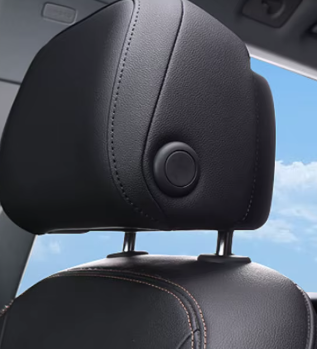
- Tell me how you make sure your head restraint is correctly adjusted so it provides the best protection in the event of a crash?
A: The head restraint should be adjusted so the rigid part of the head restraint is at least as high as the eye or top of the ears, and as close to the back of the head as is comfortable. Note: Some restraints might not be adjustable.
Explanation
In a rear-end crash, your body is pushed forward, but your head can snap backwards.
The head restraint limits this backward movement.
Question 4
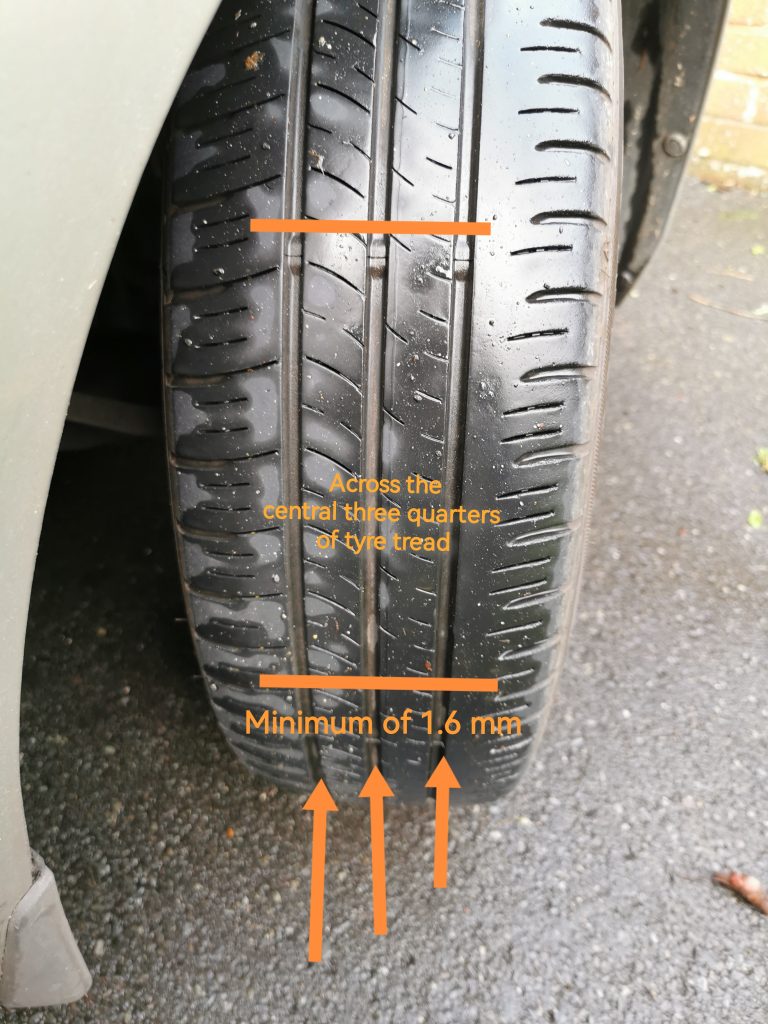
- Tell me how you’d check the tyres to ensure that they have sufficient tread depth and that their general condition is safe to use on the road?A: No cuts and bulges, 1.6mm of tread depth across the central three-quarters of the breadth of the tyre, and around the entire outer circumference of the tyre.
Explanation
The central three-quarters of the tyre is the main contact area that provides most of the grip for braking, steering, and accelerating, so that’s where the law requires at least 1.6mm of tread. It must be around the entire circumference to ensure a consistent grip and safe water dispersal every time the tyre rotates.
Question 5
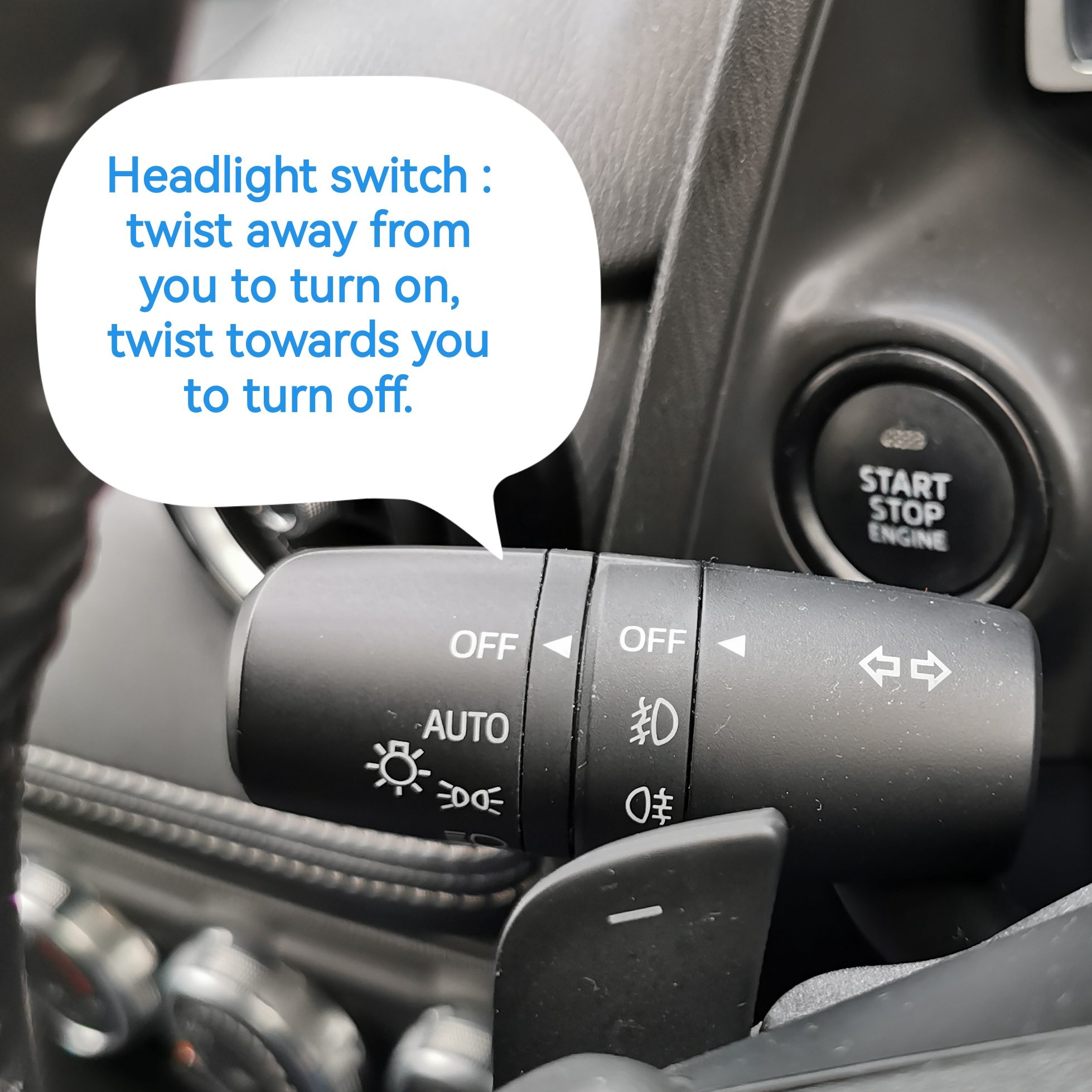
- Tell me how you’d check that the headlights and tail-lights are working. You don’t need to exit the vehicle?
A: Explain you’d operate the switch (turn on ignition if necessary), then walk round vehicle to check all lights (as this is a ‘tell me’ question, you don’t need to physically check the lights)
Question 6
- Tell me how you’d know if there was a problem with your anti-lock braking system?
A: The warning light should illuminate if there is a fault with the anti-lock braking system.
Explanation
ABS is a safety system that prevents the wheels from locking up under heavy braking by rapidly pulsing the brake pressure, allowing you to maintain steering control and reduce the risk of skidding.

Question 7
- Tell me how you’d check the direction indicators are working? You don’t need to exit the vehicle.
A: Explain you’d operate the switch (turn on ignition if necessary), and then walk round vehicle (as this is a ‘tell me’ question, you don’t need to physically check the lights).
Question 8
- Tell me how you’d check the brake lights are working on this car?
A: Explain that you’d operate the brake pedal, make use of reflections in windows or doors, or ask someone to help.
Question 9
- Tell me how you’d check the power-assisted steering is working before starting a journey?
A: If the steering becomes heavy, the system may not be working properly. Before starting a journey, 2 simple checks can be made. Gentle pressure on the steering wheel, maintained while the engine is started, should result in a slight but noticeable movement as the system begins to operate. Alternatively, turning the steering wheel just after moving off will give an immediate indication that the power assistance is functioning.
Explanation
Power-assisted steering (PAS) is a system that reduces the effort needed to turn the steering wheel, especially at low speeds. It uses either hydraulic or electric assistance to help move the wheels, making steering smoother and easier while still allowing the driver to maintain control. If it fails, the steering will feel much heavier, particularly when manoeuvring.
Question 10
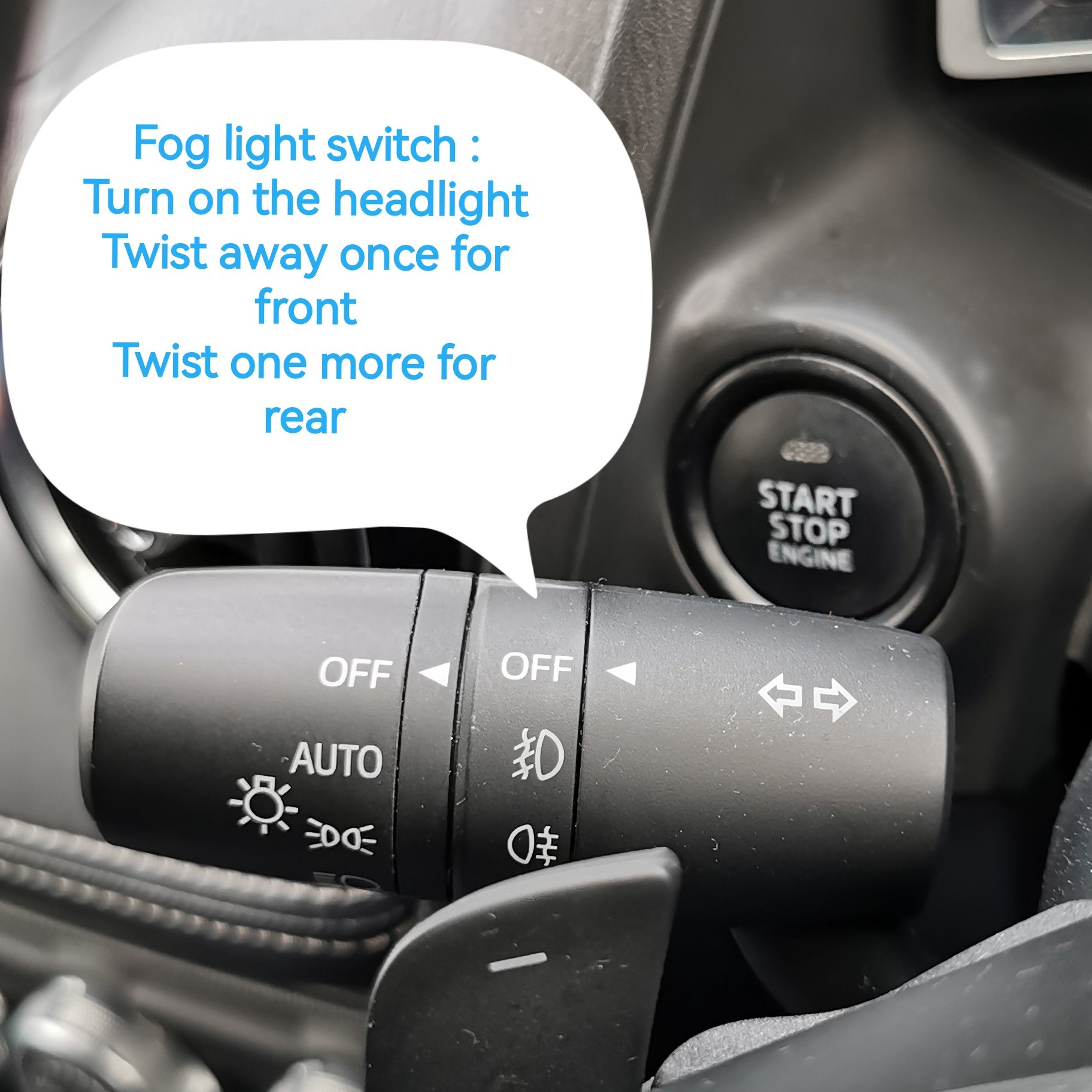
- Tell me how you’d switch on the rear fog light(s) and explain when you’d use it/them. You don’t need to exit the vehicle.
A: Operate the switch (turn on dipped headlights and ignition if necessary). Check that the warning light is on. Use it/them when visibility is less than 100 meters.
Question 11
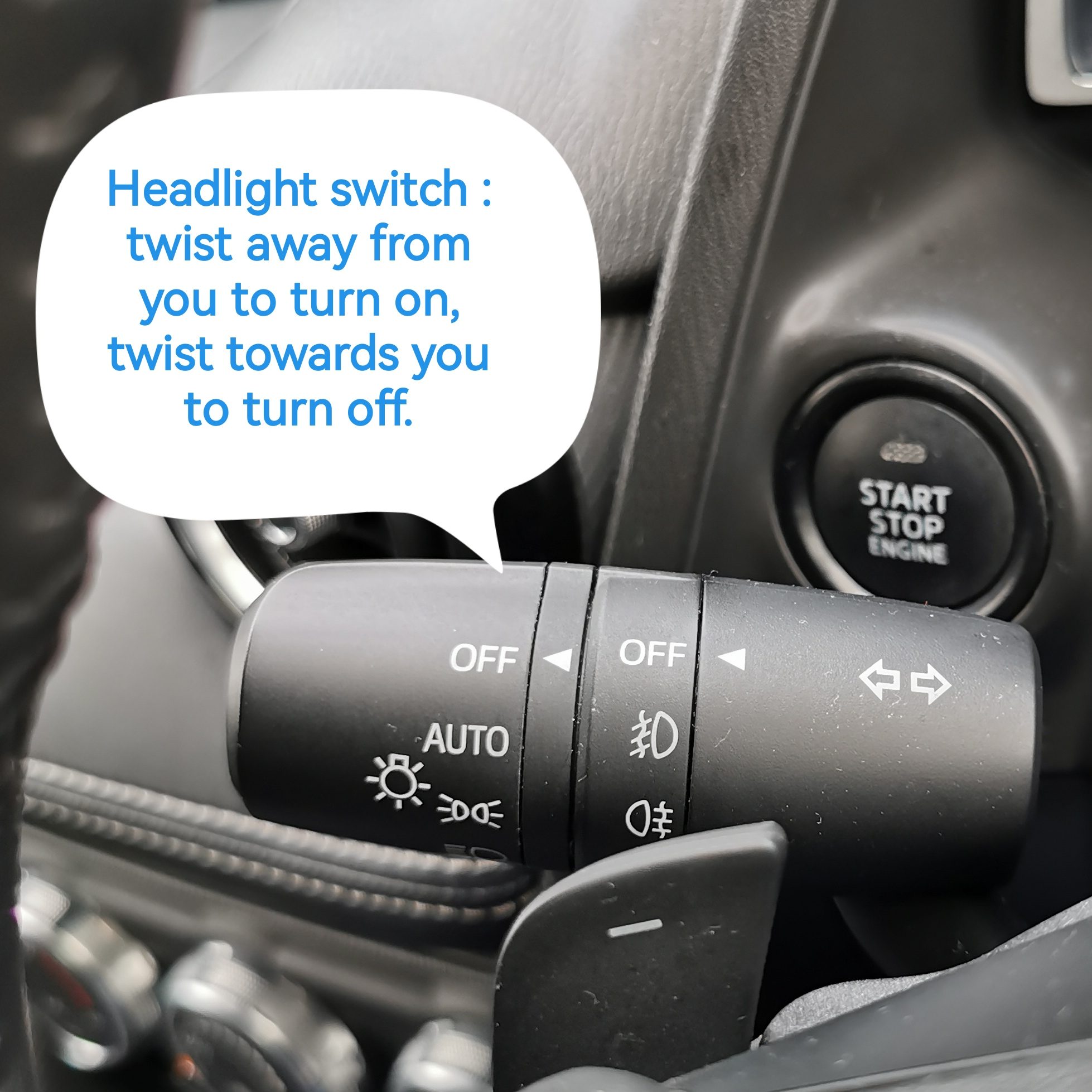
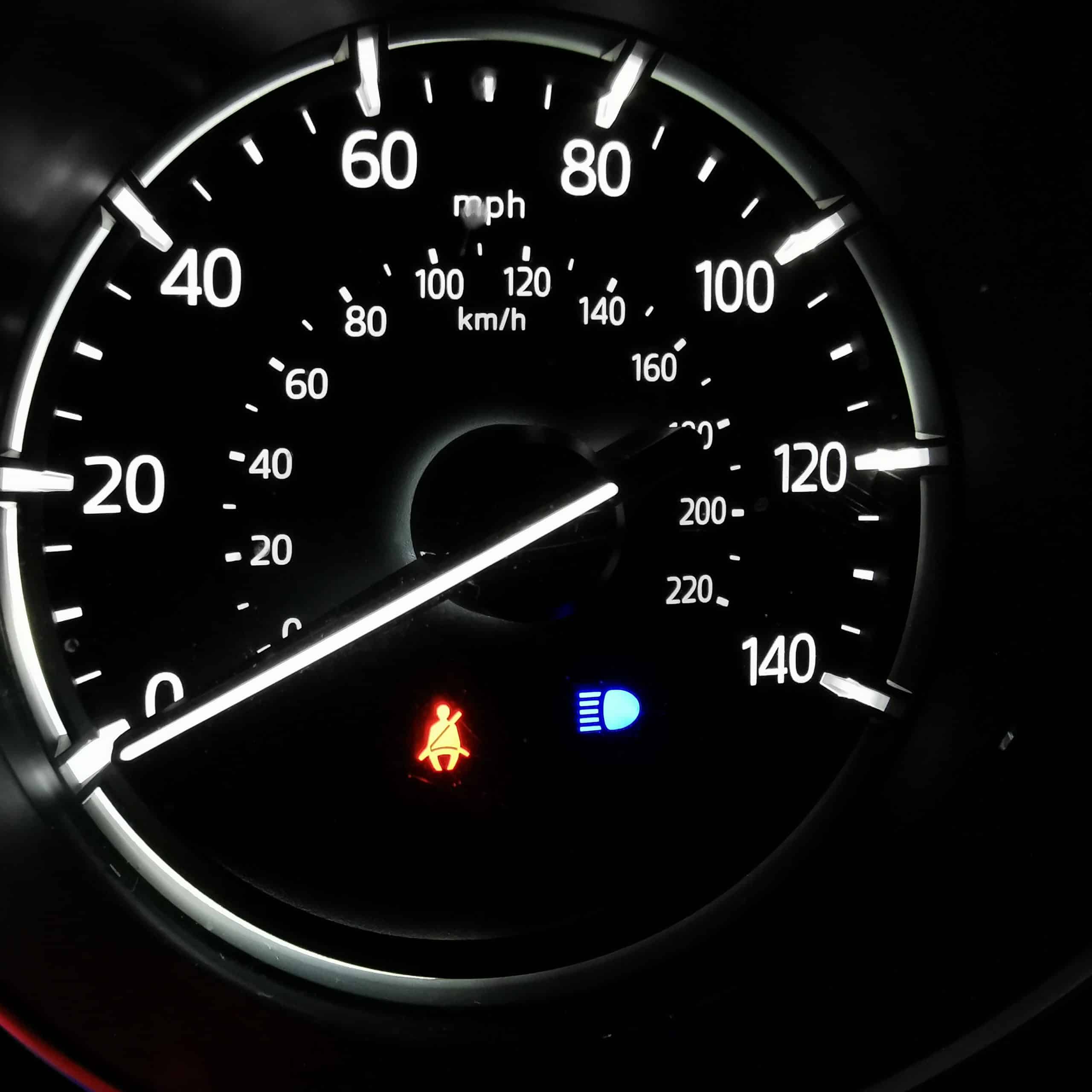
- Tell me how you switch your headlight from dipped to main beam and explain how you’d know the main beam is on.
A: Operate switch (with ignition or engine on if necessary), check with main beam warning light.
Explanation
Twist the stalk to turn on the headlights; push it away from you to turn on the full beam. A blue bulb will appear on the dashboard to indicate it’s on
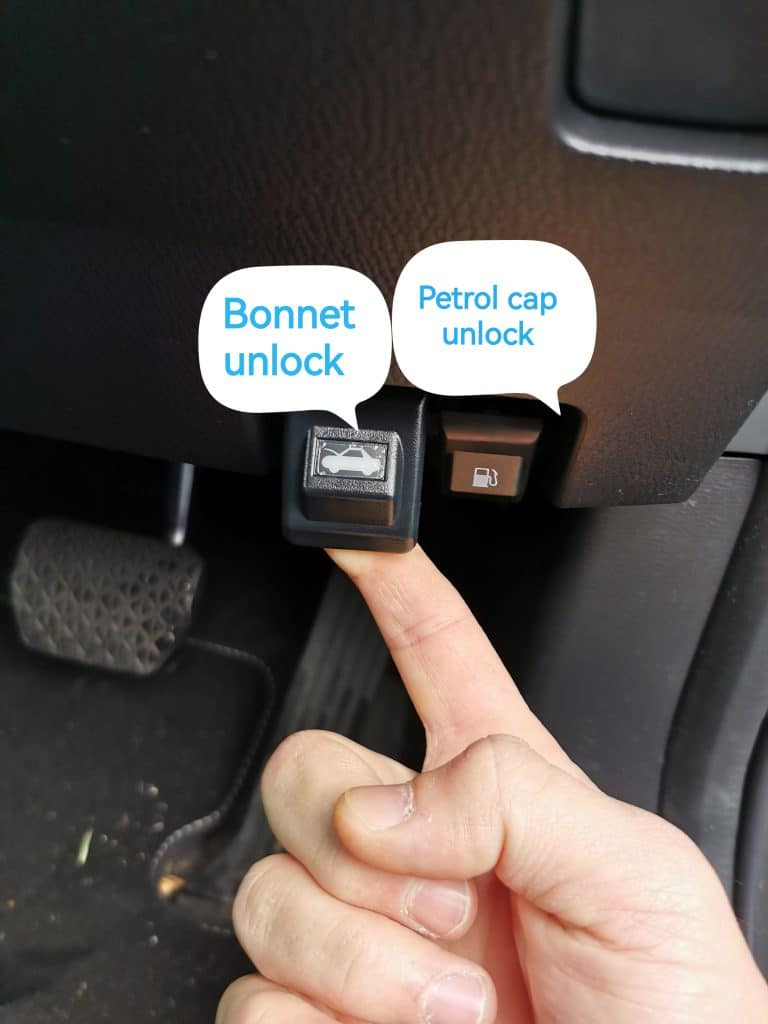
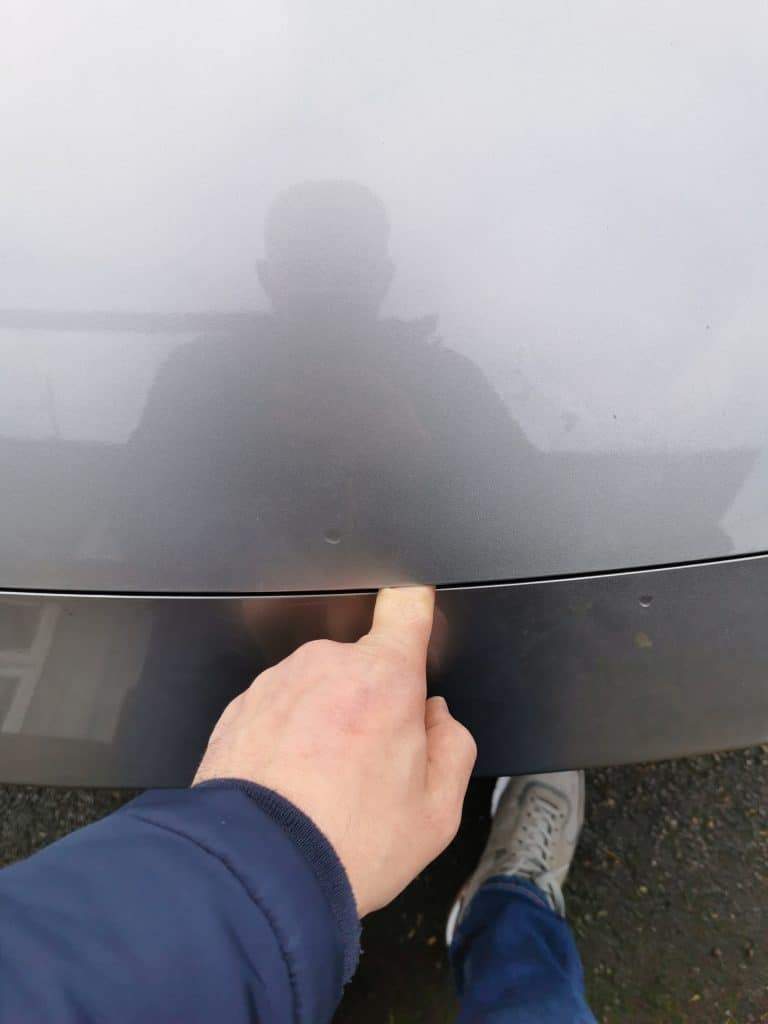
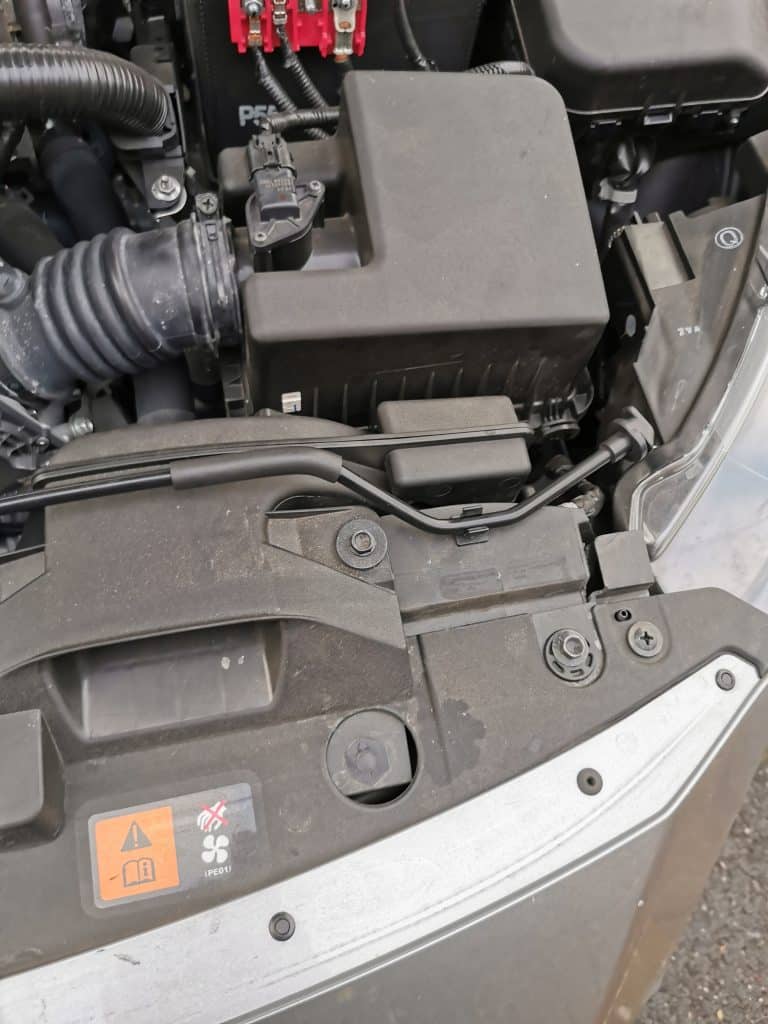
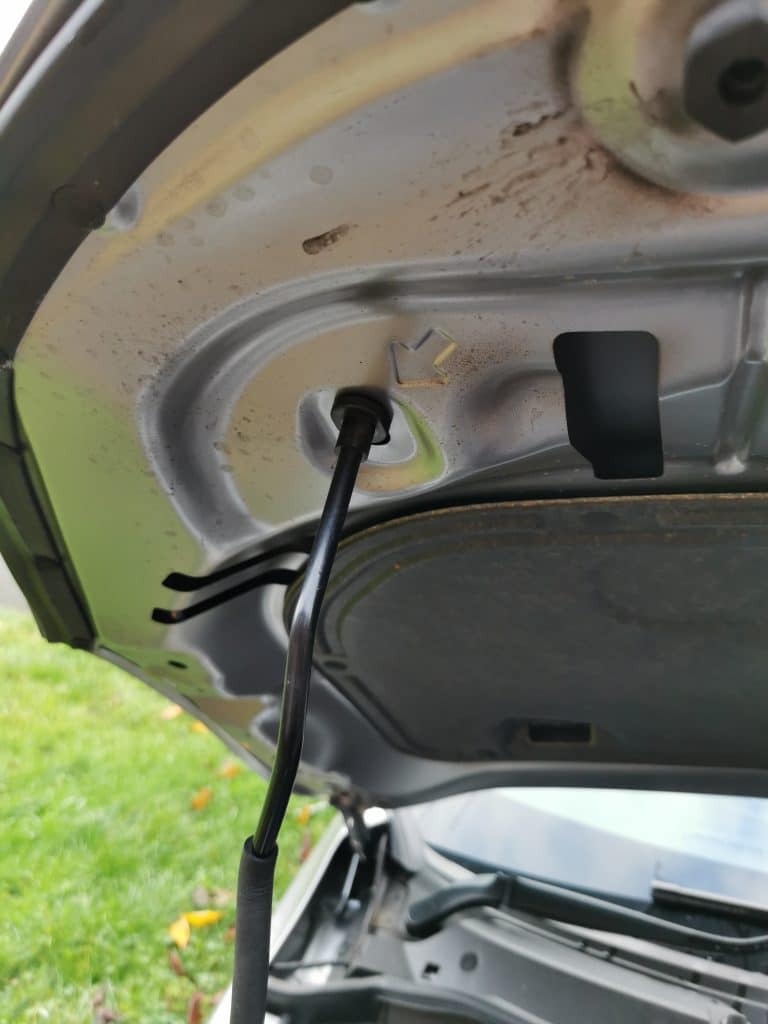
Openning the Bonnet
A. Place your finger under the button, then pull up. You should hear a click coming from the bonnet.
B. Place your finger under the bonnet, you should feel a little edge, or latch; push to the right and hold to unlock. Keep it pushed to the right.
C. Hold the bonnet with one hand, then lift it.
D. Lift up the holder stick and insert in place to hold the bonnet open.
Question 12
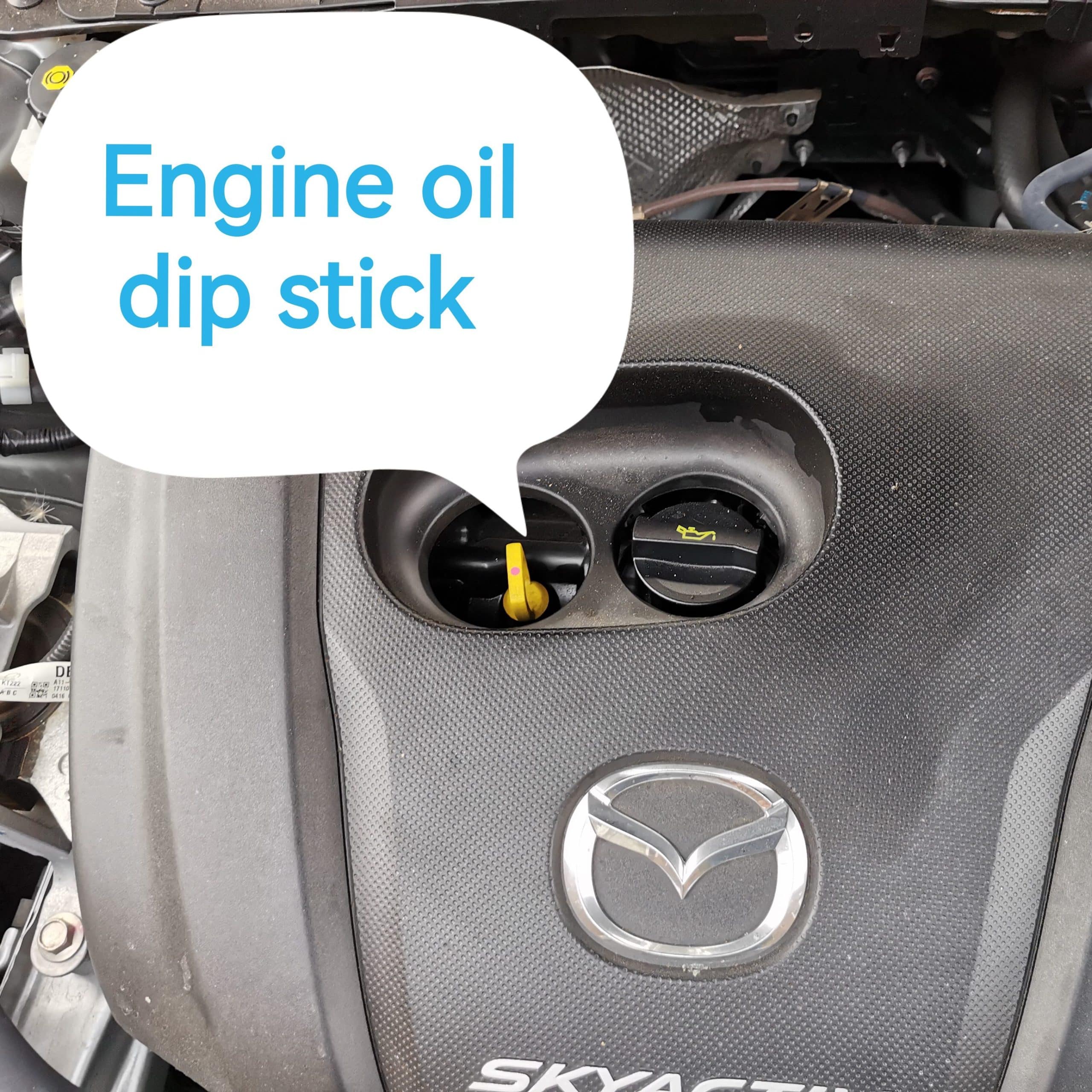
- Open the bonnet and tell me how you’d check that the engine has sufficient oil.
A: Identify the dipstick/oil level indicator, and describe the check of oil level against the minimum and maximum markers.
Suggested Answer: Take out the dip stick, and wipe it with a tissue. Dip it back in, then take it out again to check the oil level; it should be between the minimum and maximum levels.
Question 13
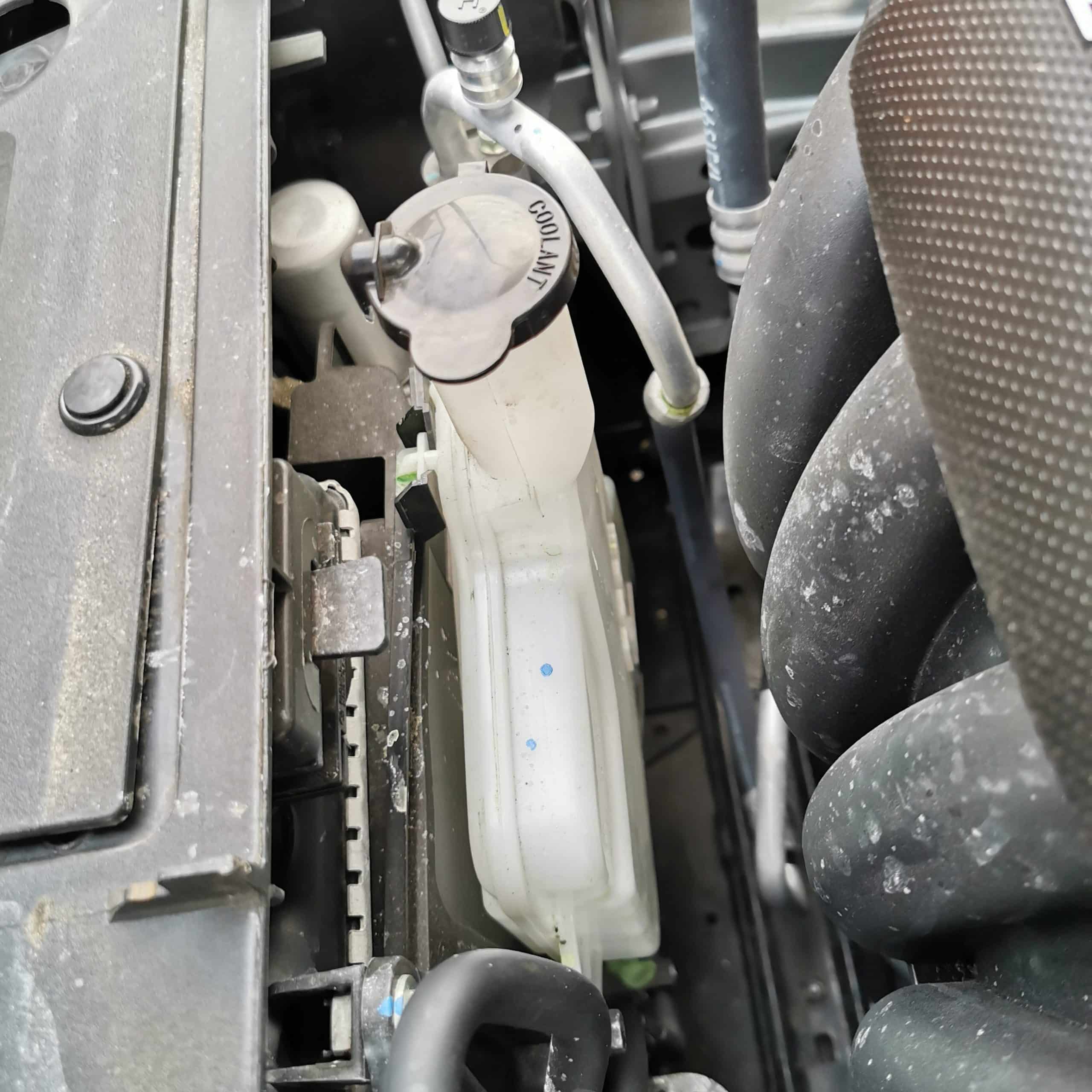
- Open the bonnet and tell me how you’d check that the engine has sufficient engine coolant.
A: Identify high and low-level markings on the header tank where fitted or the radiator filler cap, and describe how to top up to the correct level.
Suggested Answer: This is the Engine Coolant. The liquid should be between the minimum and maximum levels
Question 14
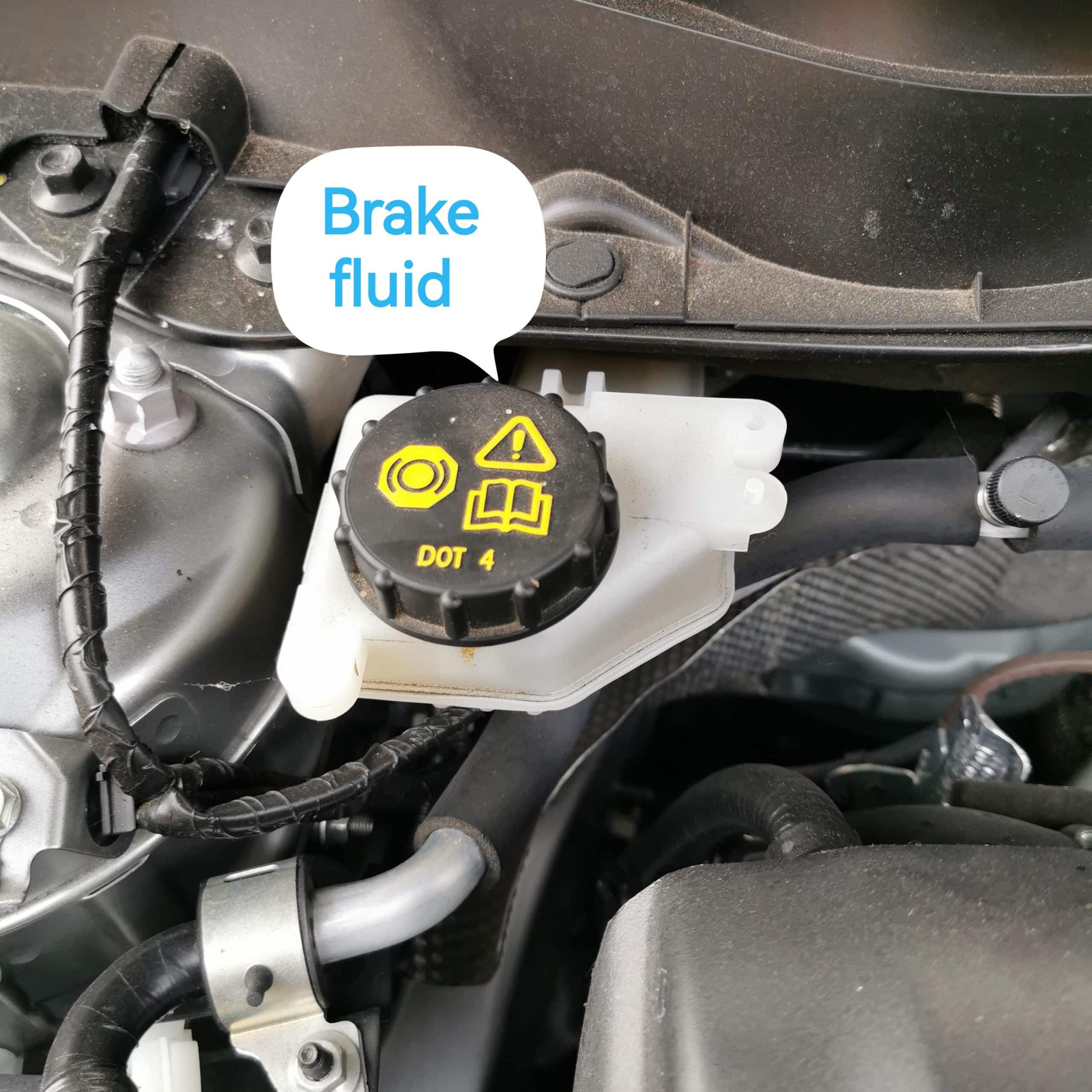
- Open the bonnet and tell me how you’d check that you have a safe level of hydraulic brake fluid.
A: Identify the reservoir, check the level against high and low markings.
Suggested Answer: This is the Brake fluid. The liquid should be between the minimum and maximum levels
‘Show me’ questions
Question 1
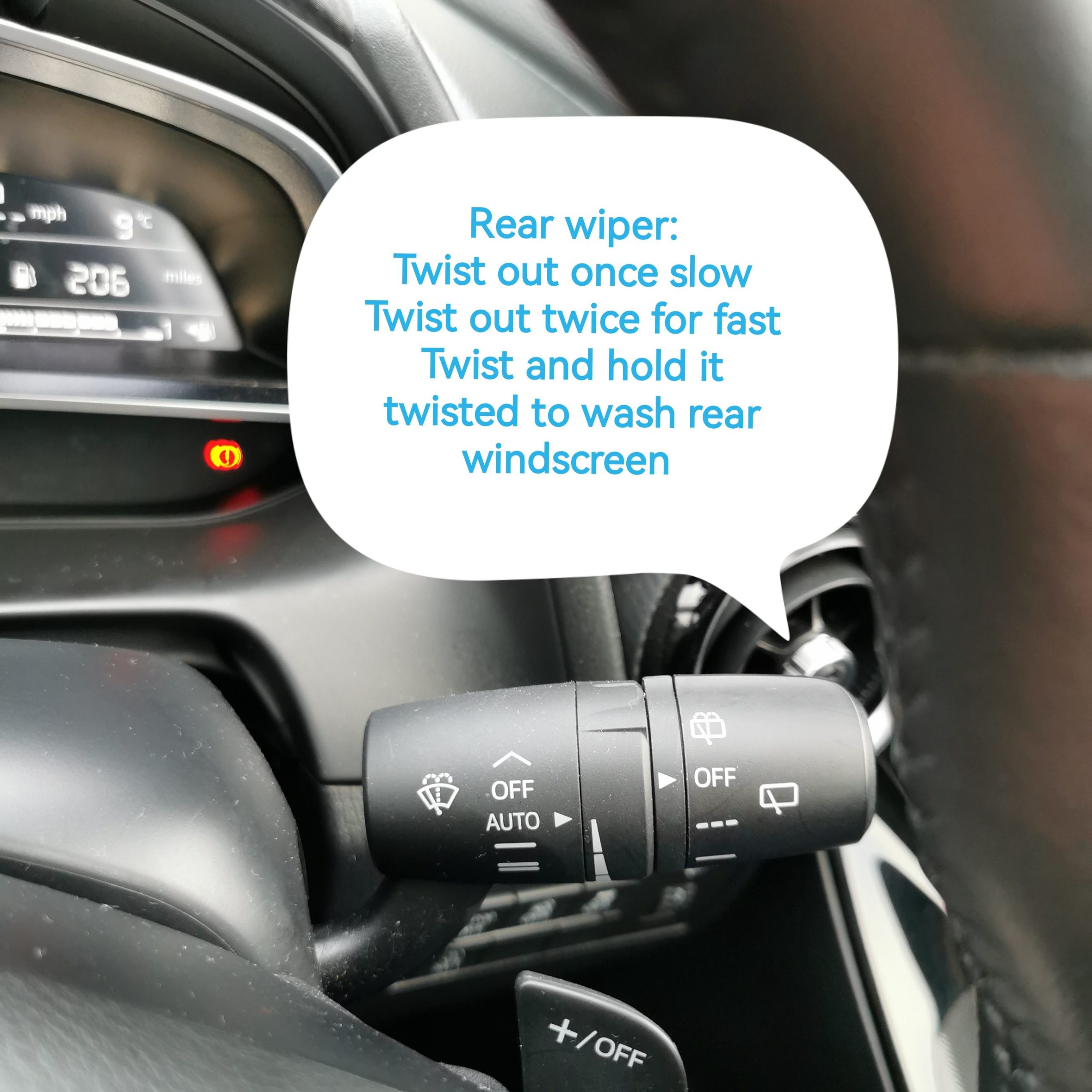
When it’s safe to do so, can you show me how you wash and clean the rear windscreen?
Question 2
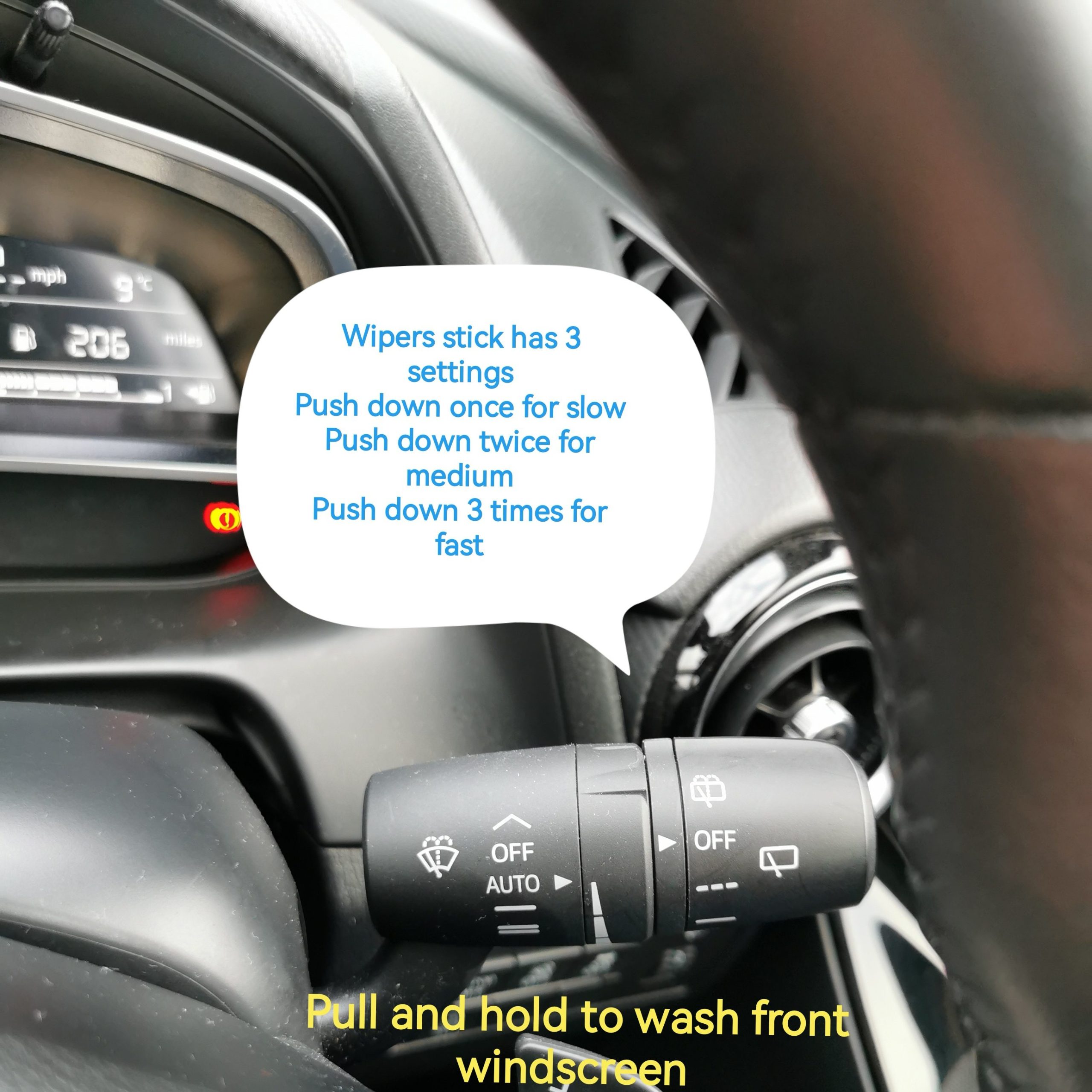
When it’s safe to do so, can you show me how you wash and clean the front windscreen?
Question 3
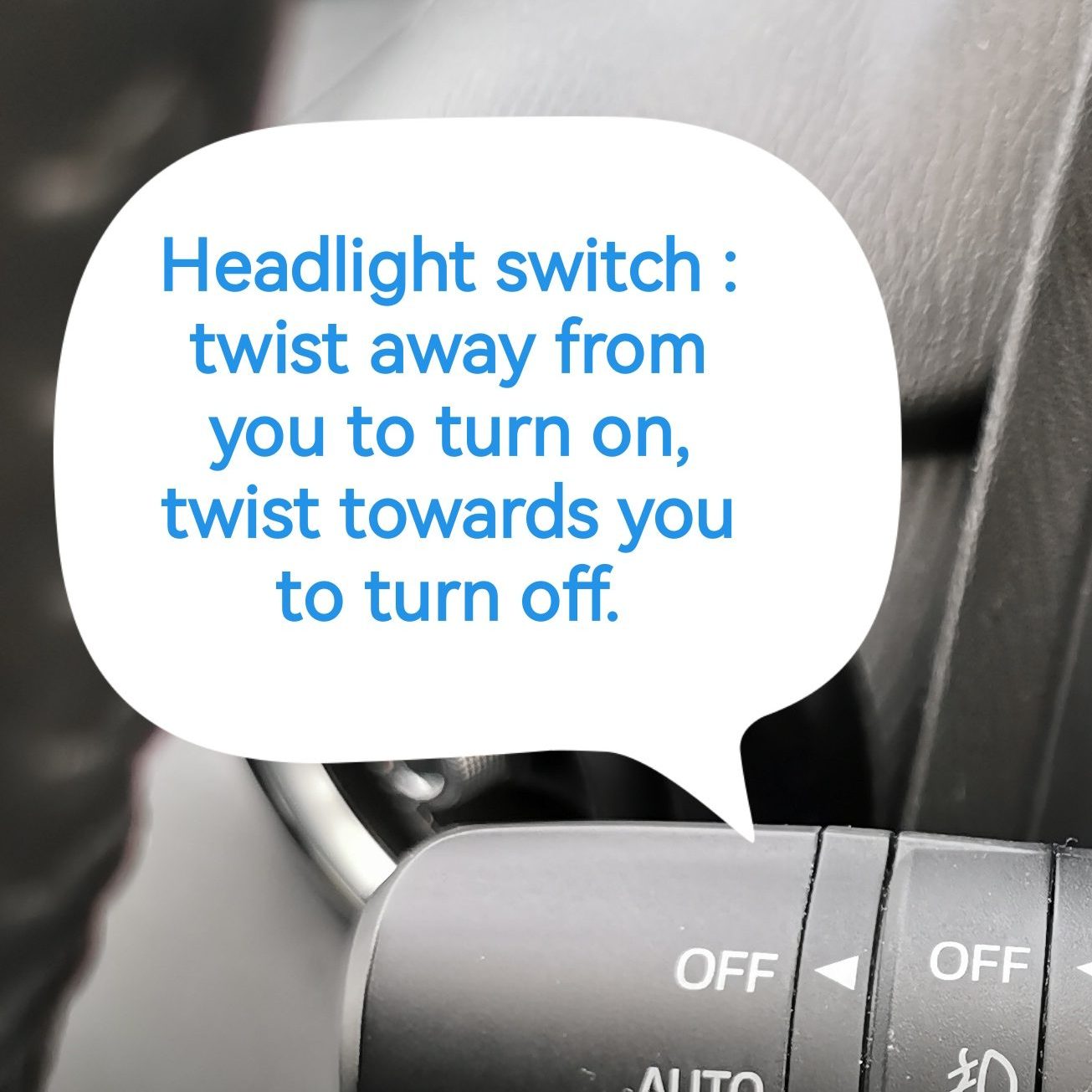
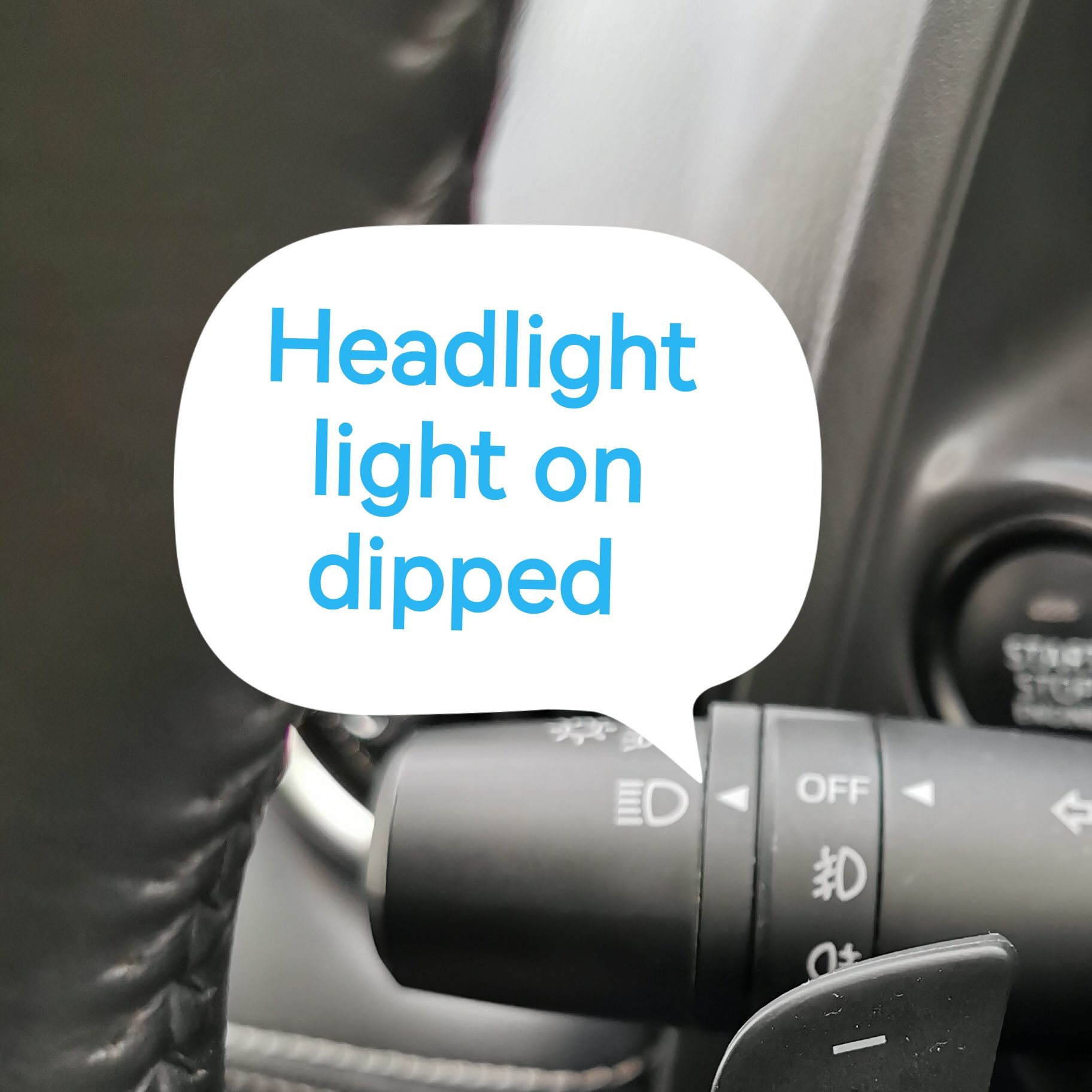
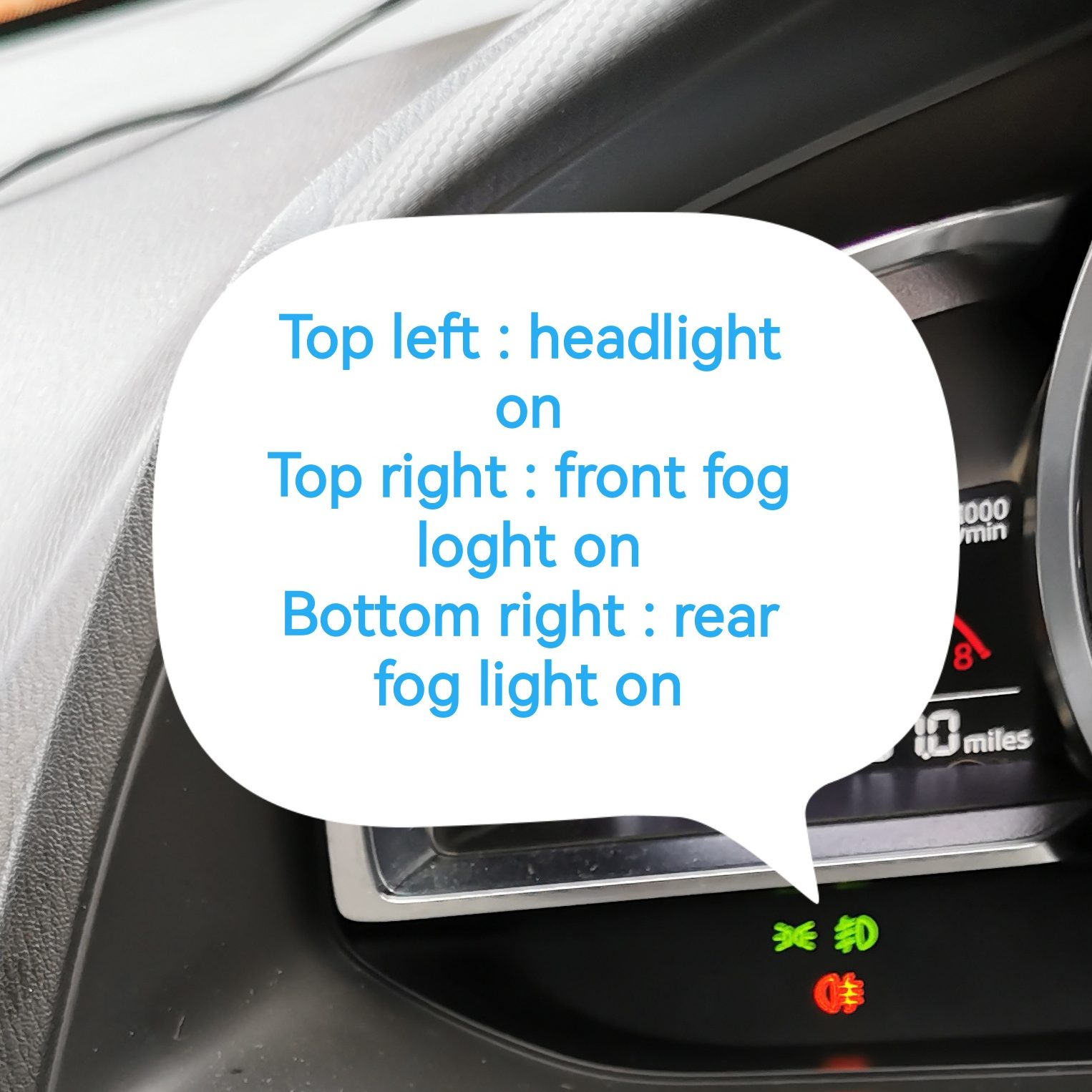
When it’s safe to do so, can you show me how you’d switch on your dipped headlights?
Question 4
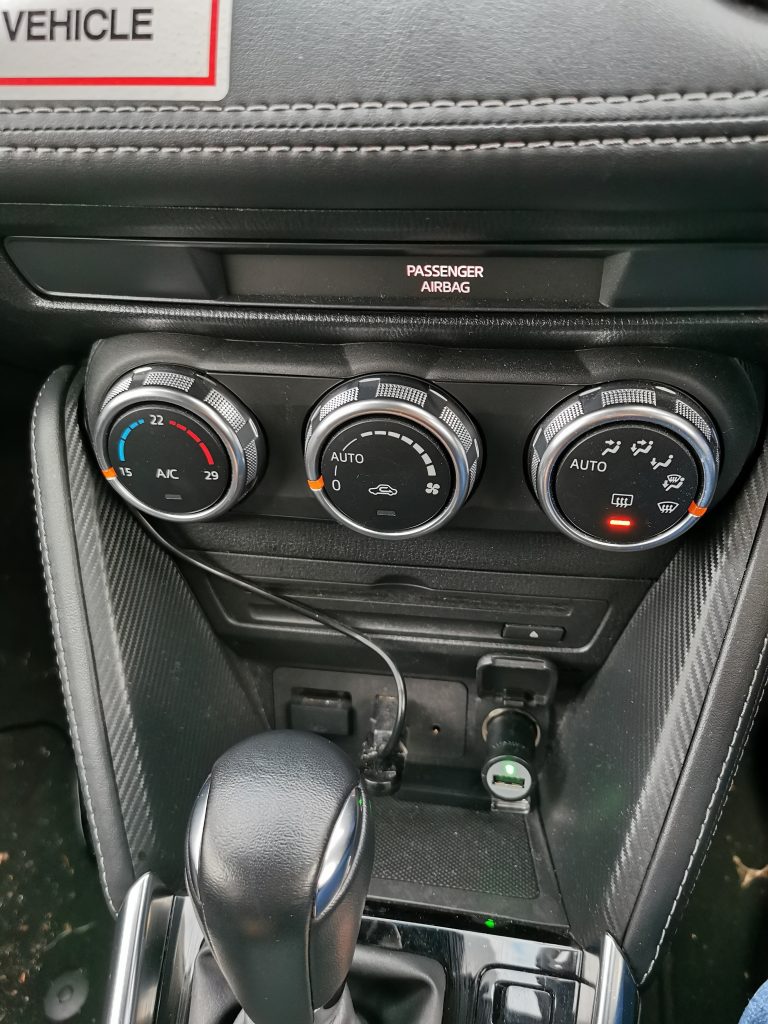
When it’s safe to do so, can you show me how you’d set the rear demister?
The Left “Dial” controls the temperature | The Middle “Dial” Controls the air volume | The Right “Dial” Controls the settings
To operate the Rear Demister: click the black circle of the setting to turn on/off. Amber light means it’s on
Question 5
When it’s safe to do so, can you show me how you’d operate the horn?
Push in the middle of the steering wheel
Question 6
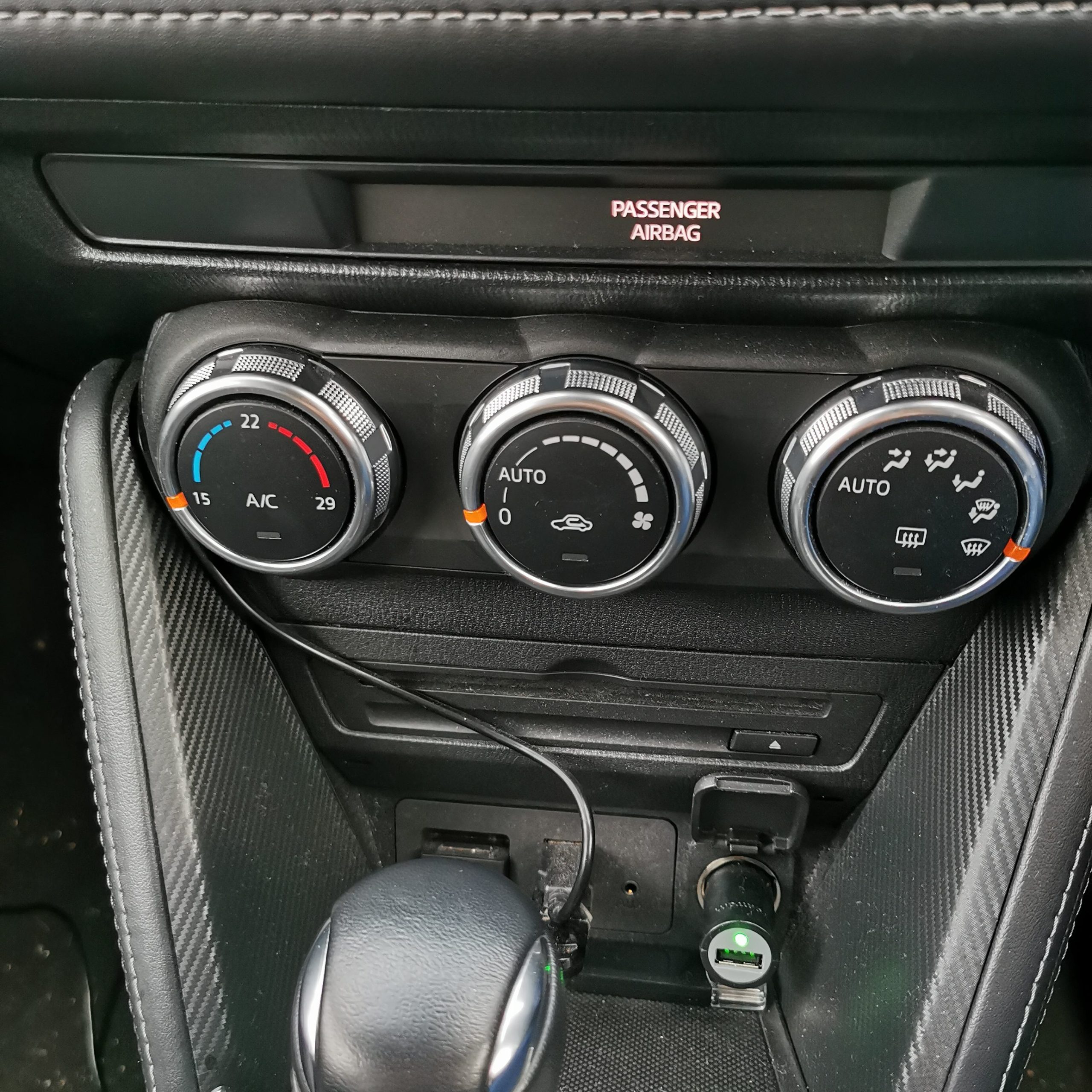
When it’s safe to do so, can you show me how you’d demist the front windscreen?
The Left “Dial” controls the temperature | The Middle “Dial” Controls the air volume | The Right “Dial” Controls the settings
to operate the Front Demister: Dial the setting clockwise all the way, then dial the air volume clockwise all the way to have full power.
To Turn Off: Dial the air volume back to zero.
Question 7
When it’s safe to do so, can you show me how you’d open and close the side window?
The examiner might say: “When safe to do so, please open ‘your window / my window’ all the way down, then all the way up.